What Does an Optometrist Typically Check for During an Eye Exam?
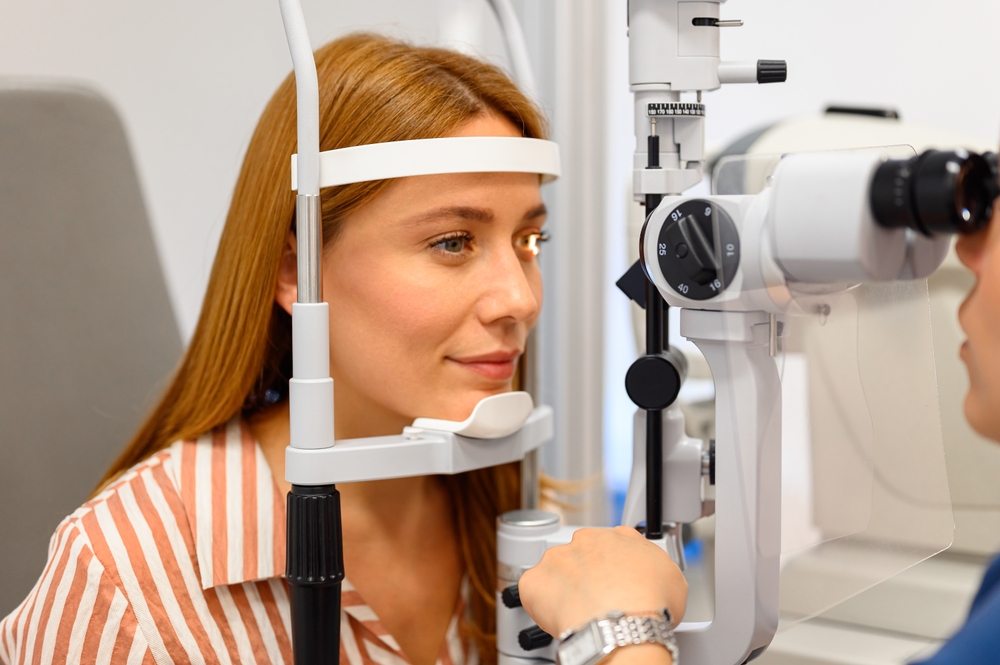
Scheduling an eye exam is about much more than updating your glasses or contact lens prescription. A comprehensive eye exam allows your optometrist to evaluate your overall eye health, detect early signs of disease, and even uncover health conditions that may affect the rest of your body. At Morillo Eye Center, routine eye exams are designed to be thorough, personalized, and preventative.
Visual Acuity and Prescription Needs
One of the first steps in an eye exam is checking your visual acuity. This measures how clearly you see at various distances and helps determine whether you need glasses or contact lenses, or if your current prescription needs to be updated. Your optometrist will assess both distance and near vision to ensure your correction supports daily activities like driving, reading, and computer work.
Eye Teaming, Focusing, and Eye Movement
Your eyes must work together properly for clear, comfortable vision. During an exam, your optometrist evaluates how well your eyes align, track objects, and focus. Issues in these areas can contribute to eye strain, headaches, double vision, or difficulty concentrating, especially during prolonged screen use.
Eye Pressure and Glaucoma Screening
Measuring intraocular pressure is a key part of an eye exam. Elevated eye pressure can be an early indicator of glaucoma, a condition that can cause permanent vision loss if left untreated. Because glaucoma often has no noticeable symptoms in its early stages, regular screenings are critical for early detection and management.
Examination of the Retina and Optic Nerve
Using specialized instruments and, in some cases, dilation, your optometrist examines the retina, optic nerve, and blood vessels at the back of the eye. This allows for early detection of eye diseases such as macular degeneration, diabetic retinopathy, and retinal tears. Changes in these structures can also reflect underlying systemic health conditions.
Screening for Eye Diseases and Conditions
A comprehensive eye exam includes checking for common and serious eye conditions, including:
Cataracts
Macular degeneration
Dry eye disease
Diabetic eye disease
Retinal disorders
Early diagnosis allows for timely treatment and better long-term outcomes.
Dry Eye Evaluation
If you experience burning, irritation, redness, or fluctuating vision, your optometrist will assess the quality and quantity of your tears. Dry eye disease is common and often chronic, but with proper diagnosis, effective treatment options can significantly improve comfort and vision.
Eye Health and Overall Health Indicators
Your eyes can reveal important clues about your general health. During an eye exam, optometrists may detect signs of conditions such as diabetes, high blood pressure, autoimmune disorders, or neurological issues. In many cases, eye exams can identify these concerns before other symptoms appear.
Review of Medical History and Lifestyle Factors
Your optometrist will also discuss your medical history, medications, family history of eye disease, and lifestyle factors such as screen use or occupational demands. This information helps guide recommendations and ensures your care is tailored to your specific needs.
Why Annual Eye Exams Matter
Even if your vision seems fine, eye conditions can develop without obvious symptoms. Routine comprehensive eye exams help protect your sight, maintain visual comfort, and support your overall health at every stage of life.
Schedule Your Eye Exam at Morillo Eye Center Today
Whether you’re due for a routine checkup, experiencing vision changes, or managing an existing eye condition, we are here to help. Our comprehensive eye exams are designed to detect problems early and keep your eyes healthy for years to come.
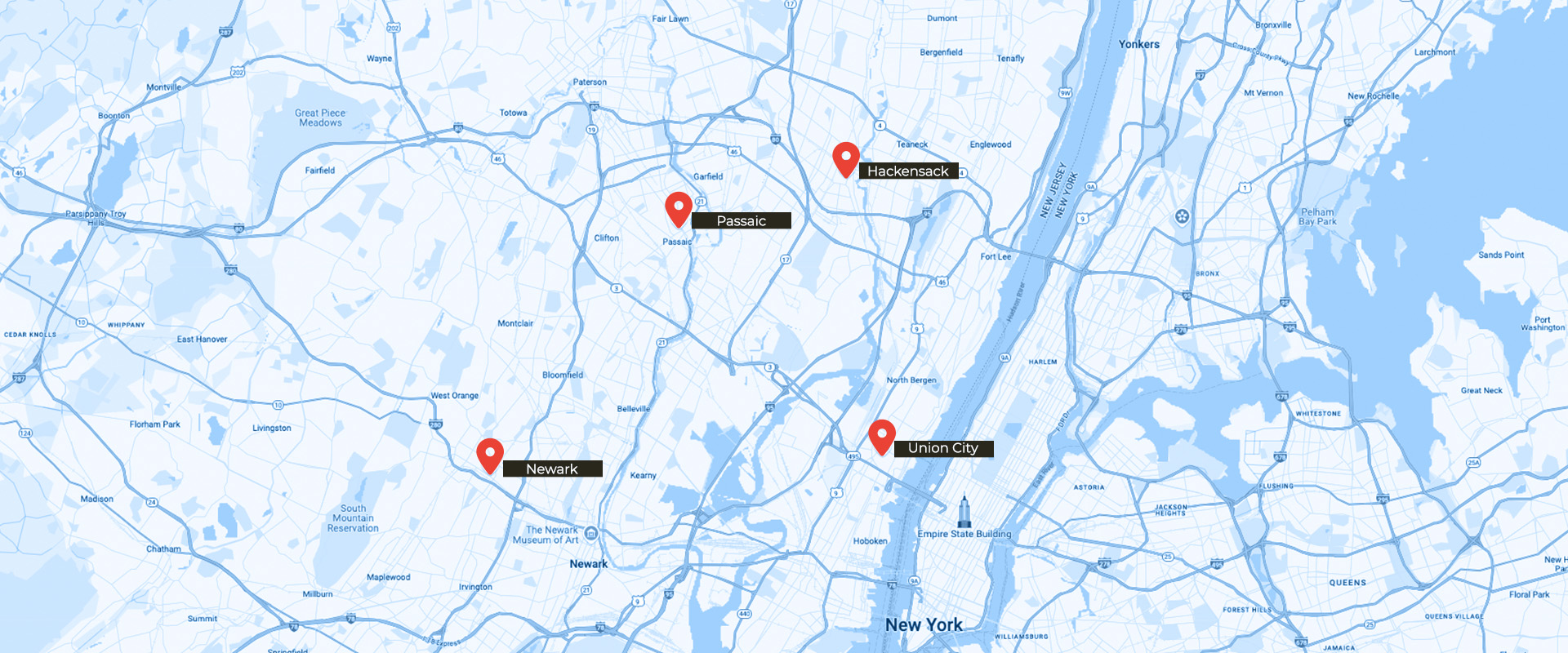
Contact Morillo Eye Center to schedule your comprehensive eye exam and take a proactive step toward protecting your vision. Visit our office in Union City, Passaic, Hackensack, or Newark, New Jersey. Please call (201) 867-0199, (973) 777-7600, (201) 242-8785 or (973) 624-2090 to book an appointment today.
Quick Links
Helpful Articles
article_category: products
article_category: psychiatry
article_category: faqs
article_category: cats
article_category: general
article_category: services
article_category: technology
article_category: dogs
article_category: restorative
article_category: vision therapy
article_category: contact lenses
article_category: health
article_category: conditions
article_category: eye surgery co-management
article_category: exotic
article_category: cosmetic
article_category: surgical procedures
article_category: aesthetics
article_category: preventative
article_category: ocular disease management
article_category: eyeglasses
article_category: eye health
article_category: large animal
[]
article_category: psychiatry
article_category: faqs
article_category: cats
article_category: general
article_category: services
article_category: technology
article_category: dogs
article_category: restorative
article_category: vision therapy
article_category: contact lenses
article_category: health
article_category: conditions
article_category: eye surgery co-management
article_category: exotic
article_category: cosmetic
article_category: surgical procedures
article_category: aesthetics
article_category: preventative
article_category: ocular disease management
article_category: eyeglasses
article_category: eye health
article_category: large animal
[]
Flowbite is an open-source library of interactive components built on top of Tailwind CSS including buttons, dropdowns, modals, navbars, and more.
Check out this guide to learn how to get started and start developing websites even faster with components on top of Tailwind CSS.

All Eyecare Services
We offer a wide variety of eye care services to the Union City community. Contact us with any questions about our services.

Keep In Touch
For non-urgent questions or to learn more about our services, contact us today!

Quick Links
Our Services
Contact Info
Hours of Operation
- Monday 9:00 am - 5:30 pm
- Tuesday 9:00 am - 5:30 pm
- Wednesday CLOSED
- Thursday 9:00 am - 5:30 pm
- Friday 9:00 am - 5:30 pm
- Saturday 8:00 am - 1:00 pm
- Sunday CLOSED
- Monday 10:00 am - 6:00 pm
- Tuesday 10:00 am - 7:00 pm
- Wednesday 10:00 am - 7:00 pm
- Thursday 10:00 am - 6:00 pm
- Friday 9:30 am - 5:00 pm
- Saturday 9:00 am - 1:00 pm
- Sunday CLOSED
- Monday 10:00 am - 6:00 pm
- Tuesday 10:00 am - 5:00 pm
- Wednesday 9:00 am - 5:00 pm
- Thursday 10:00 am - 6:00 pm
- Friday 10:00 am – 6:00 pm
- Saturday By Appointment Only
- Sunday By Appointment Only
- Monday 9:00 am - 5:00 pm
- Tuesday 9:00 am - 5:00 pm
- Wednesday 9:00 am - 5:00 pm
- Thursday 9:00 am - 5:00 pm
- Friday 9:00 am - 5:00 pm
- Saturday 8:00 am - 2:00 pm
- Sunday CLOSED
© 2026 Morillo Eye Center. All rights Reserved - Accessibility Statement - Privacy Policy - Sitemap
Managed and Designed by 